

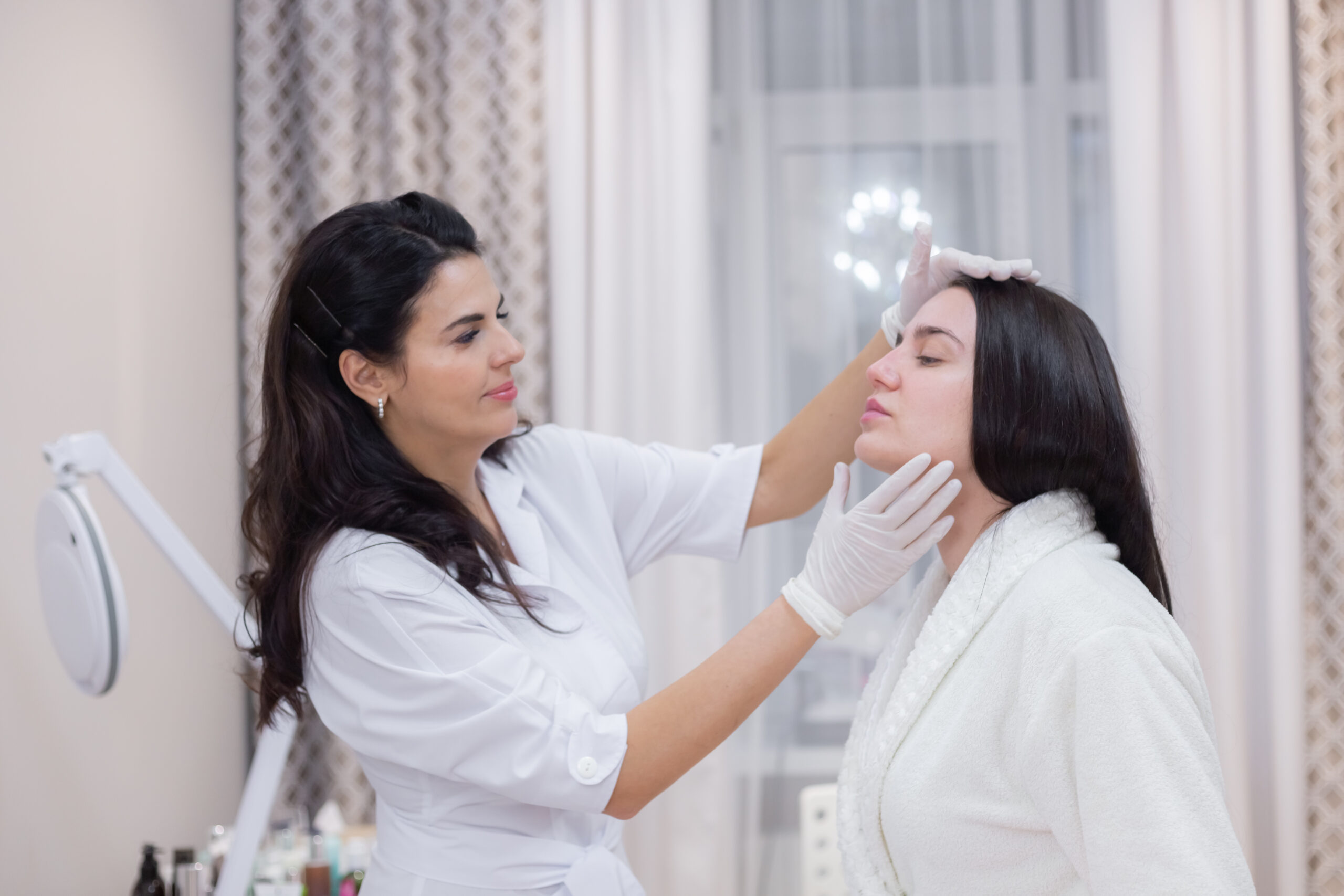
Eye-area treatments and procedures have become increasingly common, from Botox around the brow and crow’s feet to blepharoplasty (eyelid surgery) and under-eye fillers. If you’ve had one of these done, or you’re planning to, a natural question comes up before your next lash appointment: can you get lash extensions after eyelid surgery, Botox, or other eye-area procedures? Here’s how to think about timing and safety, and why this is really a conversation between you, your provider, and your lash technician.
Why Timing Matters Here
Lash extensions involve adhesive applied close to the lash line and some light pressure and handling of the eyelid during application. After any eye-area procedure, the skin, muscle, or incision sites need time to heal, and the eye area can be more sensitive to touch, adhesive fumes, and the gentle tugging that’s part of normal lash application. Jumping into a lash appointment too soon isn’t necessarily dangerous, but it can irritate healing tissue or make the appointment less comfortable than it should be.
Eyelid Surgery (Blepharoplasty)
This is the procedure that calls for the most caution, since it involves incisions directly on or near the eyelid. Healing timelines vary quite a bit depending on the extent of the surgery and each person’s recovery, which is why this is squarely a question for your surgeon rather than general advice. Many clients wait until they’re fully healed and specifically cleared by their surgeon before resuming any eye-area beauty services, lash extensions included. When you do come in, let your technician know about the surgery so they can look at your eye area and adjust the appointment if needed.

Botox Around the Eyes or Brow
Botox injected near the brow, forehead, or crow’s feet is generally less invasive than surgery, but there’s still a short window afterward where providers typically recommend avoiding pressure or rubbing on the treated area so the product settles properly. Many people are told to avoid lying flat, touching the treated area, or having facial treatments for a day or so after injections. Since lash application involves lying back with closed eyes for an extended period, many clients prefer to wait until that initial window has passed and they’ve been cleared by their injector, just to be safe and avoid any pressure on freshly treated muscle.
Under-Eye Fillers and Other Injectables
Similar logic applies to filler placed under the eyes or along the tear trough. Swelling and tenderness are common in the first several days, and the under-eye area can be more sensitive to the handling involved in a lash appointment. Following your injector’s specific aftercare guidance, and giving the area time to settle before your next lash fill, is the simplest way to avoid complications.
What About Brow Lifts, Laser Treatments, or Chemical Peels?
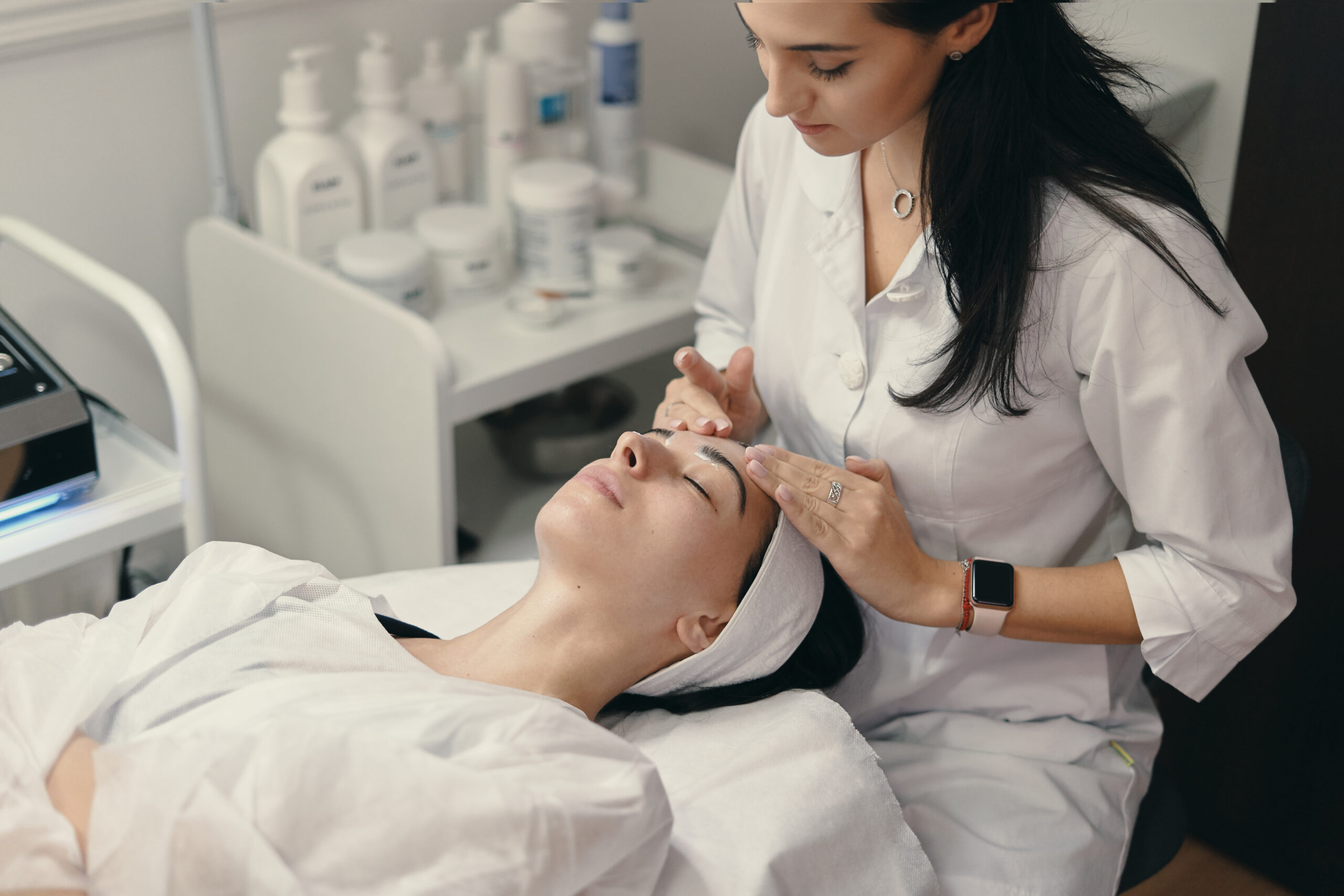
Any procedure that affects the skin or tissue around the eyes, whether it’s a surgical brow lift, laser resurfacing, or a peel that includes the eye area, generally calls for the same approach: follow your provider’s healing timeline first, and treat lash extensions as something to schedule once you’re cleared for normal eye-area contact. If you’re ever unsure whether enough time has passed, it’s always better to ask than to assume.
Why This Is a Two-Provider Conversation
Your surgeon, dermatologist, or injector knows the specifics of your procedure and your individual healing progress, so they’re the right people to ask about medical clearance and timelines. Your lash technician, on the other hand, can look at the current state of your eye area on the day of your appointment and make a judgment call about whether it’s a good time to proceed, adjust the style or technique to reduce contact with a sensitive area, or recommend waiting a bit longer. Being upfront with both providers about what you’ve had done, and when, is what lets everyone make good decisions on your behalf.
What to Mention at Your Lash Appointment
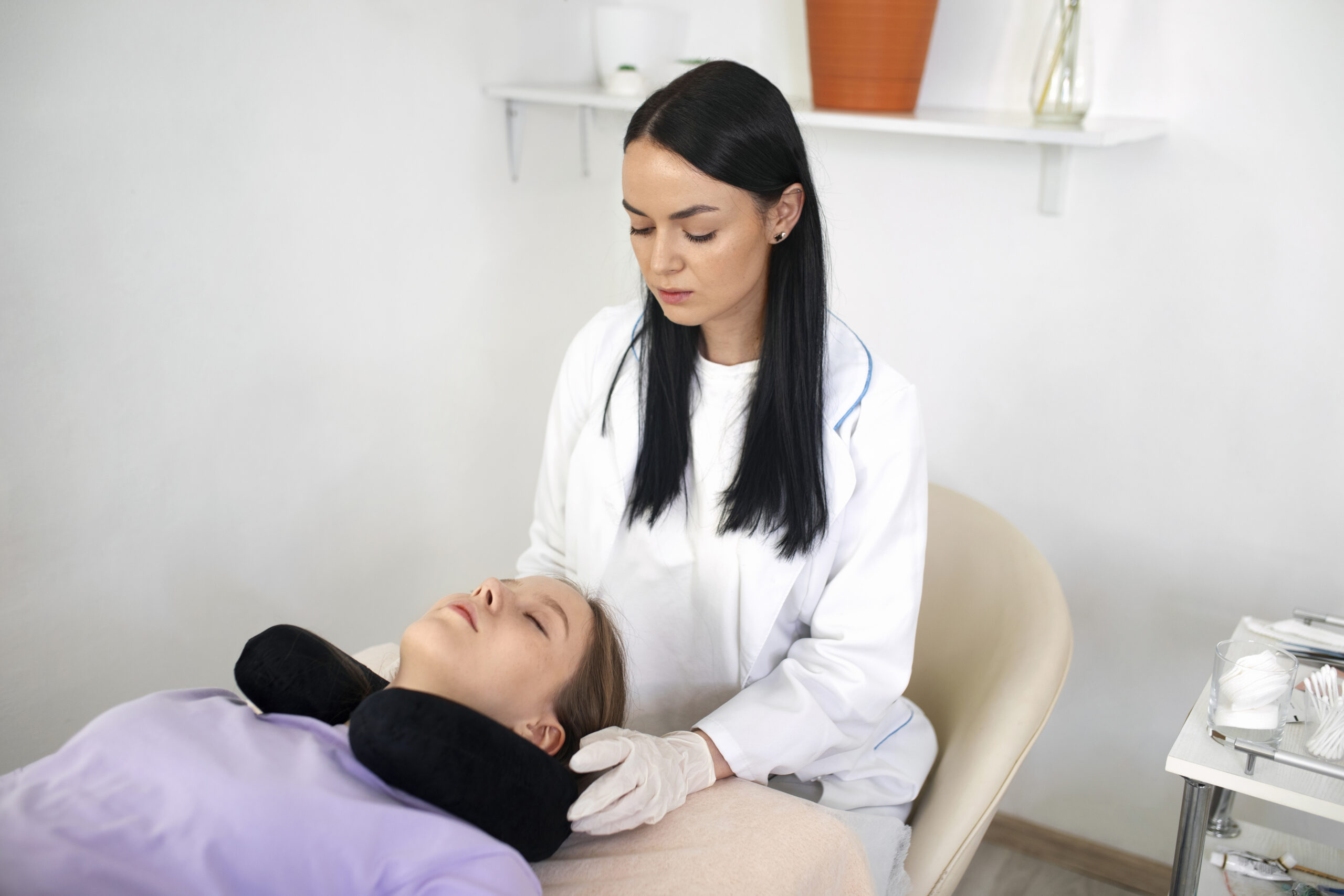
If you’ve had any eye-area procedure in the recent past, mention it when you book or check in, not after you’re already reclined in the chair. This gives your technician time to ask a few questions, look at the area, and decide whether to proceed as normal, modify the approach, or suggest rescheduling. It’s a quick conversation that avoids any guesswork once you’re already in the middle of an appointment.
Choosing a Lighter Option If You’re Still Healing
If you’re cleared for light beauty services but still want to ease back in, a lighter lash style with less weight and less handling time can be a reasonable middle ground compared to a dense mega volume set. Talk this through with your technician so the choice matches where you are in your recovery.
The Bottom Line
Lash extensions and eye-area procedures like eyelid surgery, Botox, or fillers aren’t necessarily incompatible, but timing and communication matter. General information aside, your surgeon or injector’s specific aftercare guidance always takes priority, and your lash technician should know about any recent procedure so they can make the right call for that day’s appointment. When in doubt, waiting a little longer and asking both providers is always the safer path.
Recently had an eye-area procedure and wondering when to book your next lash appointment? Reach out to Royal Threading Center in Brooklyn and we’ll talk through timing and the best lash extension option for where you are in your recovery.