

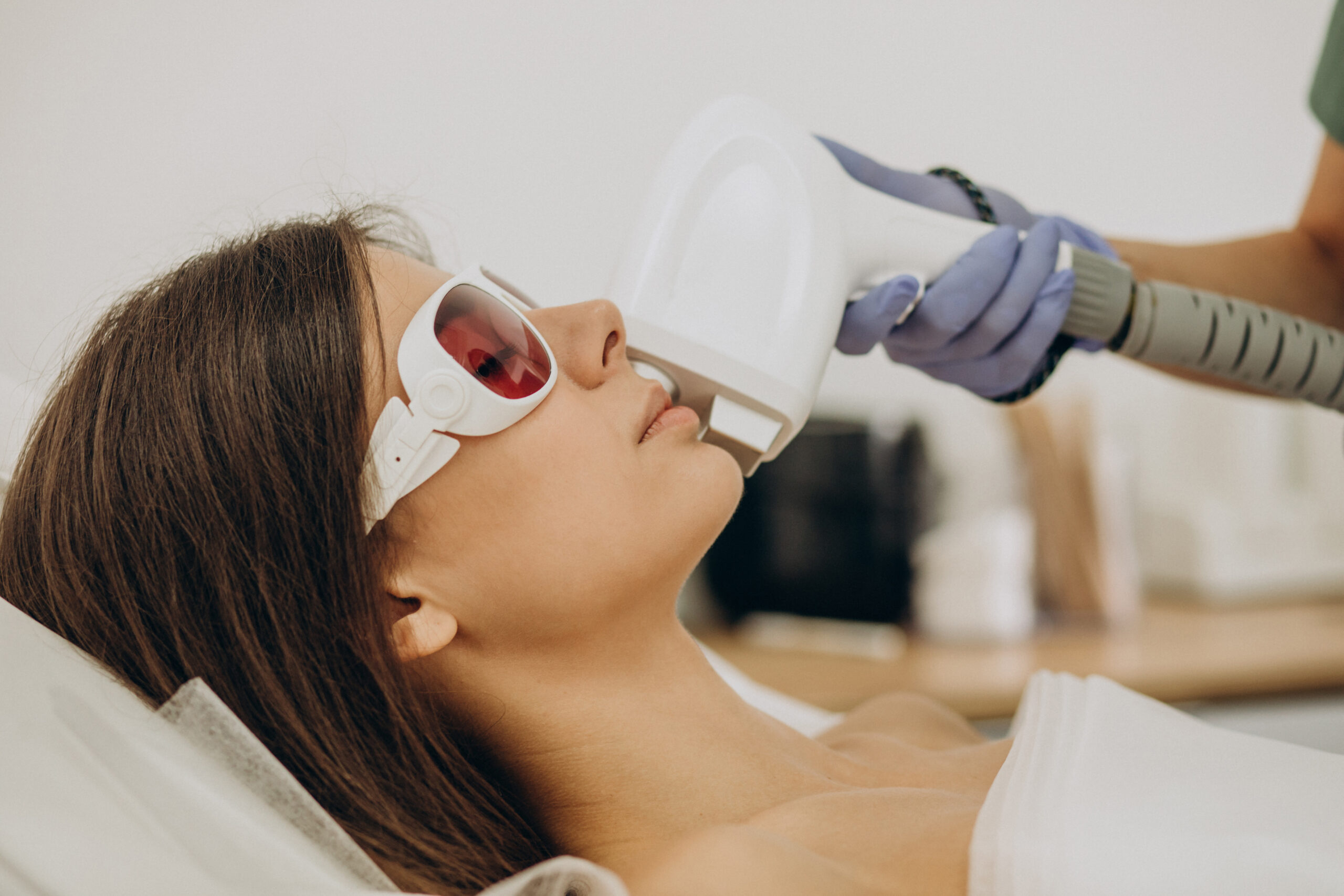
“Sensitive skin” gets used as a catch-all term, but it actually covers a handful of different things: skin that reacts easily to products or heat, skin that’s prone to redness or irritation after any kind of treatment, and areas of the body that are simply more delicate than others regardless of your overall skin type. If any of that sounds like you, laser hair removal is still very much an option in Brooklyn — it just requires a provider who treats sensitive skin as a real consideration, not an afterthought.
What “Sensitive Skin” Actually Means for Laser Treatment
For some people, sensitive skin means a history of redness, irritation, or breakouts from skincare products and treatments. For others, it means certain areas of the body — the face, upper lip, and bikini line in particular — react more than less delicate areas like the legs or back, even if the rest of their skin tolerates treatment well. And for some, it’s less about reactivity and more about having a skin condition like eczema or rosacea that a provider needs to work around. These are different situations that call for different adjustments, which is exactly why a generic, one-size-fits-all approach to laser hair removal doesn’t work well for sensitive skin — the right plan depends on which kind of sensitivity you’re actually dealing with.
How Providers Adjust for Sensitive Skin
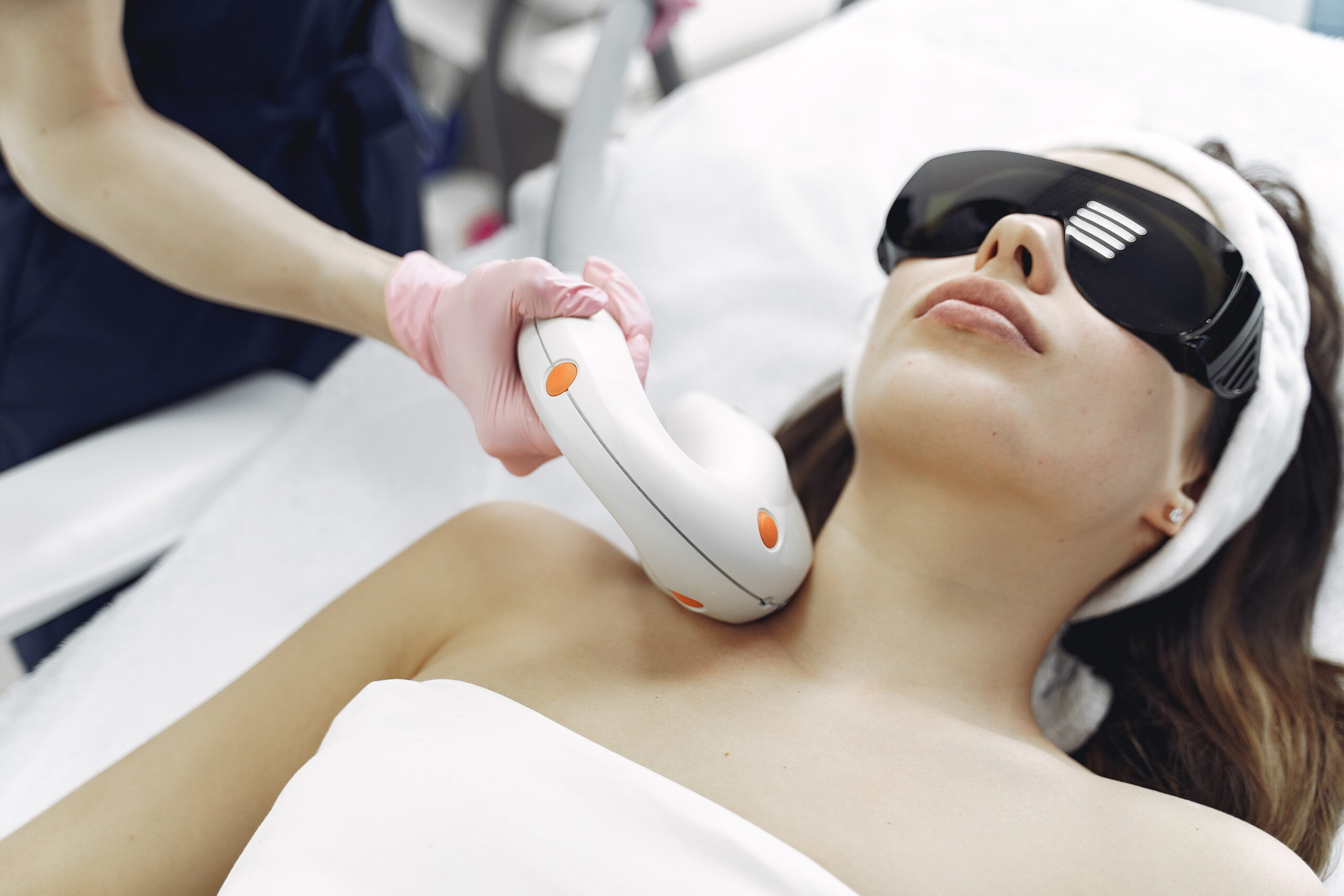
A provider who takes sensitive skin seriously has a few tools available: choosing a gentler laser type or a longer wavelength that’s easier on reactive skin, lowering the energy setting and building up gradually across sessions rather than starting at a standard default, extending the time between sessions to give skin more time to recover, and using cooling during treatment to reduce irritation in the moment. None of this means sacrificing results — it just means getting there more conservatively. This matters especially for facial laser hair removal, since facial skin tends to be thinner and more reactive than skin elsewhere on the body, and for the Brazilian area, where sensitivity is both more common and more uncomfortable to deal with if a provider gets the settings wrong.
If You Have a Diagnosed Skin Condition
Conditions like eczema or rosacea change the calculus somewhat, since the goal isn’t just avoiding irritation from the laser itself but also avoiding anything that could trigger a flare in an already-reactive area. This usually means treating around active flare-ups rather than directly on them, waiting for skin to calm down before starting or continuing a course, and being honest with your provider about your condition and any medications or topical treatments you’re using, since some of those can affect how skin responds to laser. A provider should be asking about this during your consultation; if they don’t, it’s worth bringing up yourself rather than assuming it won’t matter. This isn’t a reason to rule out underarm laser hair removal or any other area entirely — it just means the plan needs to account for it from the start.
Why a Patch Test Is Worth Insisting On
If you have genuinely sensitive skin or any history of reacting to treatments, a small test spot before your first full session is one of the most useful things a provider can offer. It’s a quick, low-stakes way to see how your specific skin responds to the laser and settings being used, without committing an entire treatment area to an approach that hasn’t been verified on you yet. Not every provider offers this automatically, so if it matters to you, it’s worth asking directly during your consultation rather than assuming it’s standard. A provider who’s willing to slow down and test first, rather than pushing straight into a full session, is generally one who takes sensitive skin seriously rather than treating it as a minor footnote.
Aftercare Matters More When Your Skin Reacts Easily
Standard aftercare advice applies to everyone — avoid sun exposure, skip harsh products for a few days, keep the area clean — but if your skin is prone to reacting, it’s worth being a little more deliberate about it. Mild redness or slight puffiness right after a session is normal for most people and usually settles within a few hours to a day; if you tend to react more than that, flagging it with your provider helps them calibrate the next session rather than just repeating the same settings. This is also where a realistic view of how laser hair removal works over time helps — sensitive skin sometimes means a slightly longer course of gentler sessions rather than a faster, more aggressive one, and that’s a perfectly normal tradeoff, not a sign that something’s going wrong.
Treating Sensitive Skin at Royal Threading Center
We work with clients across Brooklyn who’ve been told elsewhere that their skin is “too sensitive” for laser, and in most cases that just means the settings and pacing weren’t adjusted for them. If you’re looking for laser hair removal in Brooklyn and have sensitive skin, a skin condition, or a history of reacting to treatments, book a consultation with us — we’ll talk through a patch test, a realistic settings plan, and a session pace that actually fits your skin rather than working against it.