

If your natural lashes are thin, fine, or sparse, you may have wondered whether lash extensions actually work for lashes like yours, or whether they’re really only meant for people who already have thick, full lash lines. It’s one of the most common questions we hear at Royal Threading Center, and the honest answer is: yes, lash extensions can absolutely work on thin or sparse natural lashes, but the approach has to be adjusted to protect what you have.
Why Your Natural Lashes Matter, Even With Extensions
Lash extensions aren’t glued to your skin or eyelid; they’re bonded individually to your own natural lashes, which act as the anchor for everything else. That means the health and density of your natural lash line directly affects how extensions look and how well they hold. If you have fewer natural lashes to work with, a technician has less surface area to attach to, which changes the plan but doesn’t rule out extensions altogether.
Classic vs. Volume: Why the Choice Matters More for Sparse Lashes
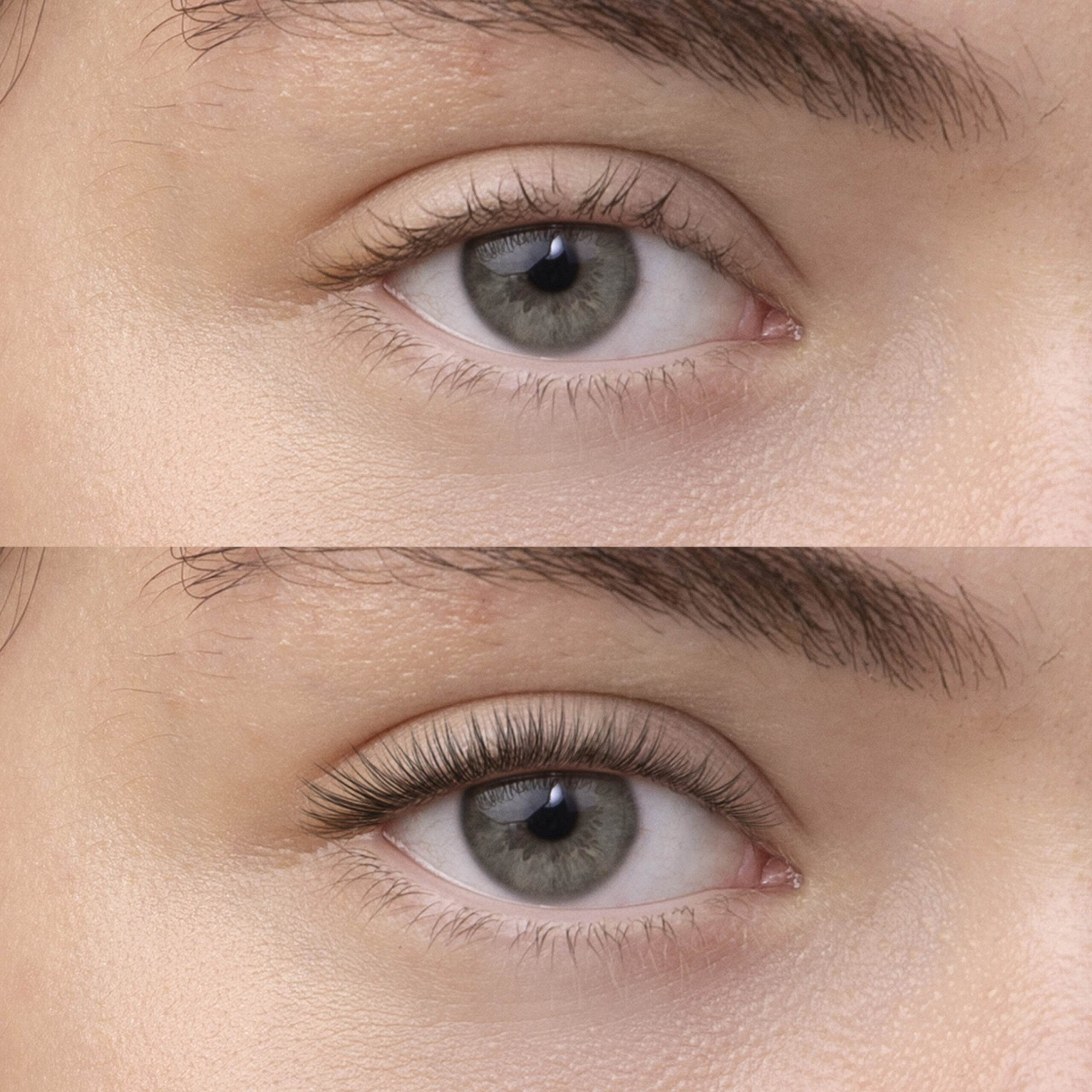
This is really where the thin-lash question gets answered. A single classic extension attached to one natural lash adds some length and definition, but if your natural lashes are sparse, classic sets can sometimes look a little gappy since there’s simply less to attach to. Volume lashes, which use several ultra-fine extensions fanned onto a single natural lash, often create a fuller, more even look without needing more natural lashes to work with. For many clients with thin or sparse lashes, a volume or light hybrid set actually looks more natural than classic, not less.
Weight and Length Have to Be Adjusted
A skilled technician won’t apply the same length, curl, and diameter extension to a fine, sparse lash that they’d use on a thick, resilient one. Thinner natural lashes simply can’t support as much weight without becoming strained or prone to premature shedding. That usually means a lighter extension diameter and a more conservative length, especially near the inner corners where natural lashes tend to be finer anyway. The goal isn’t to force a dramatic look onto lashes that can’t support it; it’s to build the fullest, most flattering set your natural lashes can actually carry.
Gaps Get Filled Strategically, Not Ignored
If you have noticeably sparse patches, a good technician will plan around them rather than skip them. Sometimes that means placing slightly more volume fans in thinner areas to visually balance the lash line, and sometimes it means being upfront that a certain area simply won’t hold much extra length yet. This is one of the biggest reasons a consultation matters: no two sparse lash lines are sparse in exactly the same places.
What If Your Lashes Are Thin Due to Past Damage?
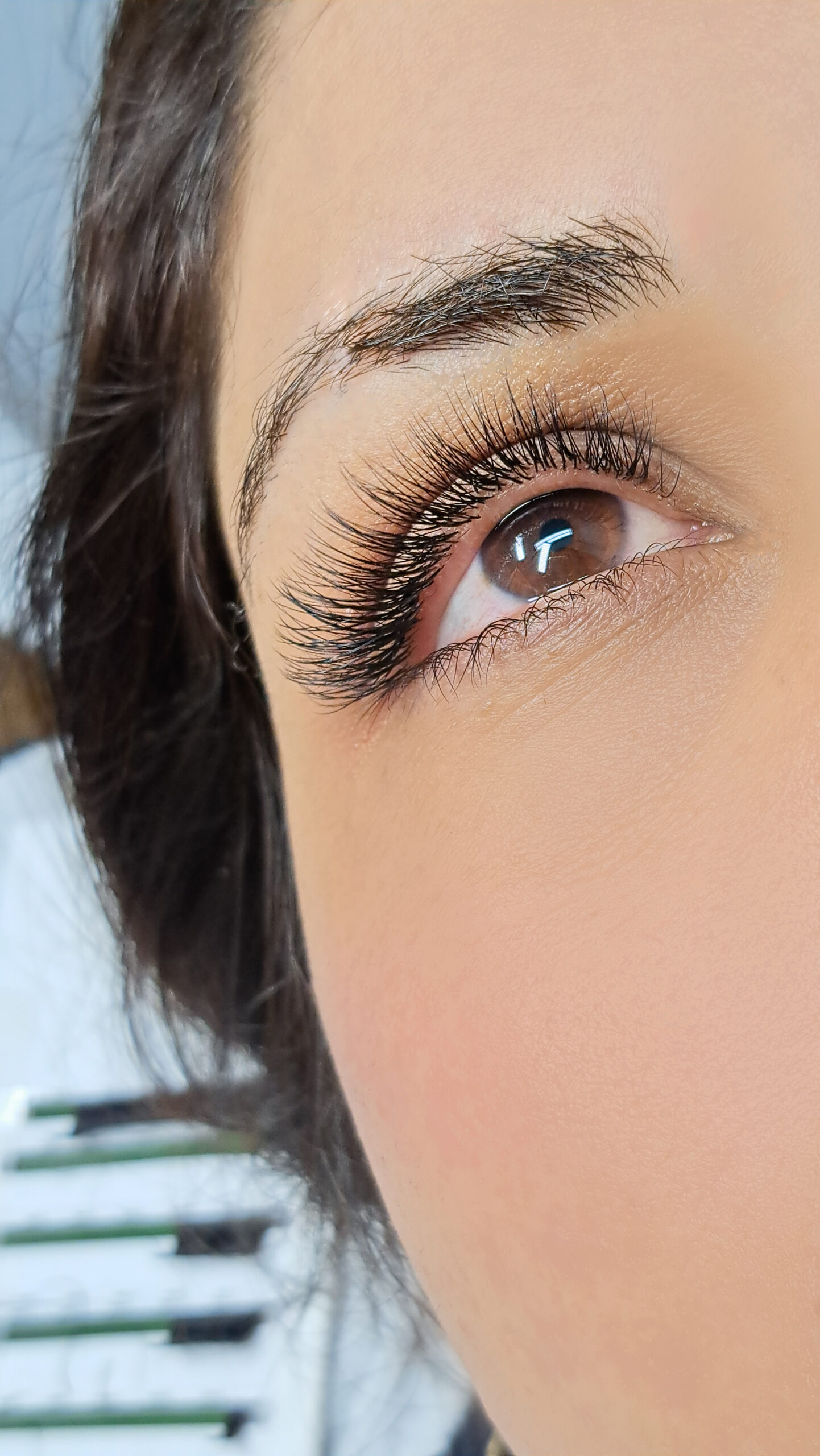
Sometimes sparse lashes aren’t just naturally fine, they’re the result of previous over-plucking, harsh makeup removal, or lashes that haven’t fully recovered from a prior extension set that wasn’t maintained well. In these cases, we’ll often recommend starting with a more conservative set and reassessing at your next fill, once we’ve seen how your natural lashes are responding and whether they’re holding up well to the added weight.
Realistic Expectations Make a Real Difference
The most important part of getting extensions with thin or sparse lashes is having an honest conversation about what’s achievable. Extensions can create noticeably more length, definition, and fullness than your natural lashes alone, but they can’t manufacture natural lashes that aren’t there. Clients who come in with realistic expectations, rather than a photo of a dramatically thick set that isn’t suited to their natural lash density, tend to be the happiest with their results.
Protecting Your Natural Lashes Going Forward
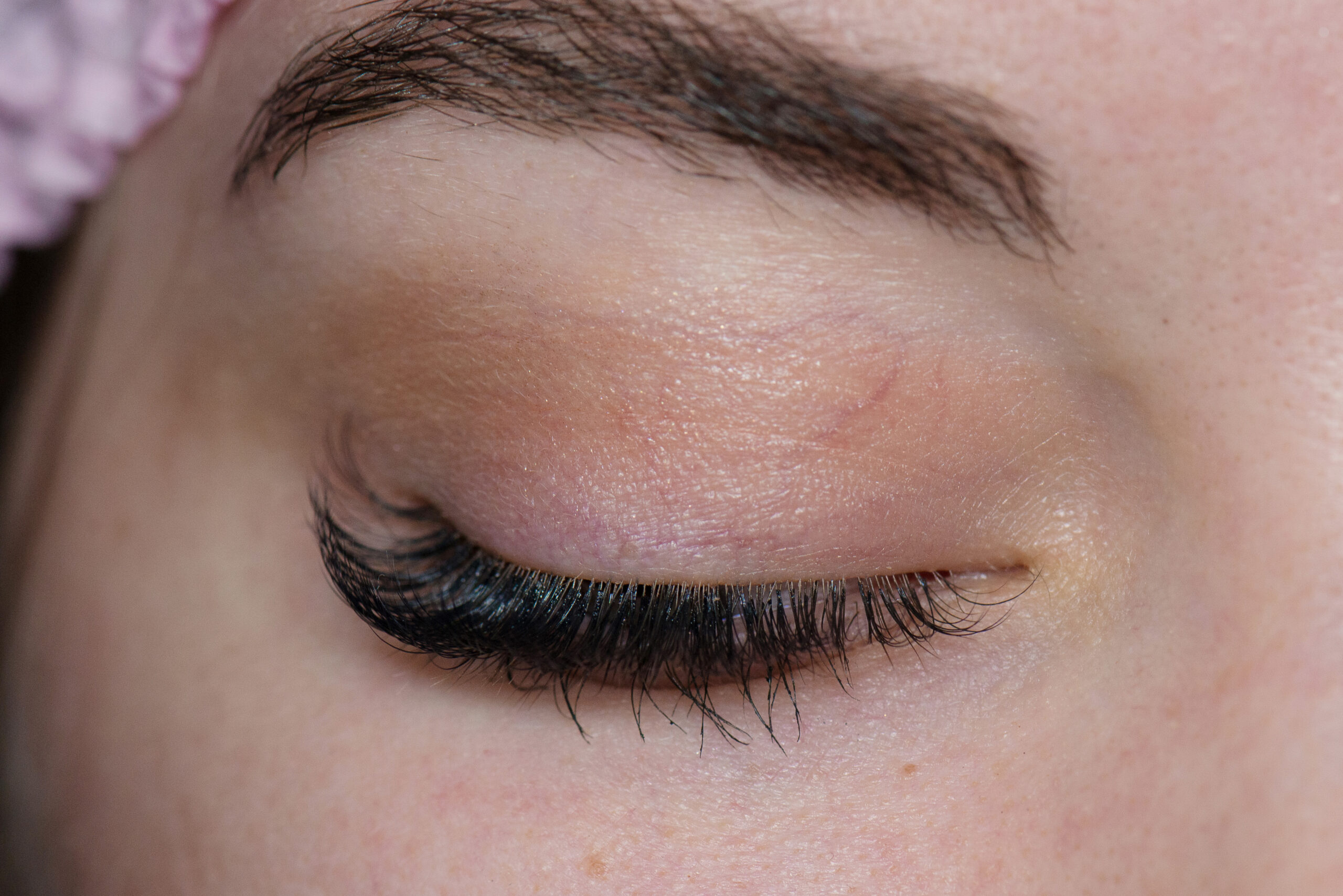
Once you have extensions, protecting your natural lash line becomes even more important if it was thin to begin with. That means resisting the urge to pick at or pull off extensions as they shed naturally, being gentle during cleansing, and keeping up with fills on schedule rather than letting a set grow out too long, which puts more strain on each natural lash. Sparse lashes can thicken in appearance over time with consistent, well-maintained extensions, but they need to be treated a little more carefully than a naturally full lash line.
The Bottom Line
Thin or sparse natural lashes don’t disqualify you from getting lash extensions, they just mean the set should be customized rather than standardized. The right diameter, length, and style choice, usually leaning toward volume or hybrid rather than classic, combined with a technician who adjusts for your specific lash density, can create a full and natural-looking result even if you’ve never felt like you had “a lot” of lashes to work with.
Curious what a customized set would look like on your natural lashes? Book a consultation with Royal Threading Center in Brooklyn and we’ll recommend the right lash extension style for your lash density and goals.
2 Responses