

If you’ve ever watched a technician work and wondered just how precise is eyebrow threading compared to tweezing or waxing, the short answer is: it’s one of the most precise hair removal methods available. Here’s exactly why.
At Royal Threading Center in Brooklyn, precision is the whole point of what we do. Understanding how threading actually works helps explain why so many clients trust it for detailed, accurate brow shaping.

How Precise Is Eyebrow Threading, Really?
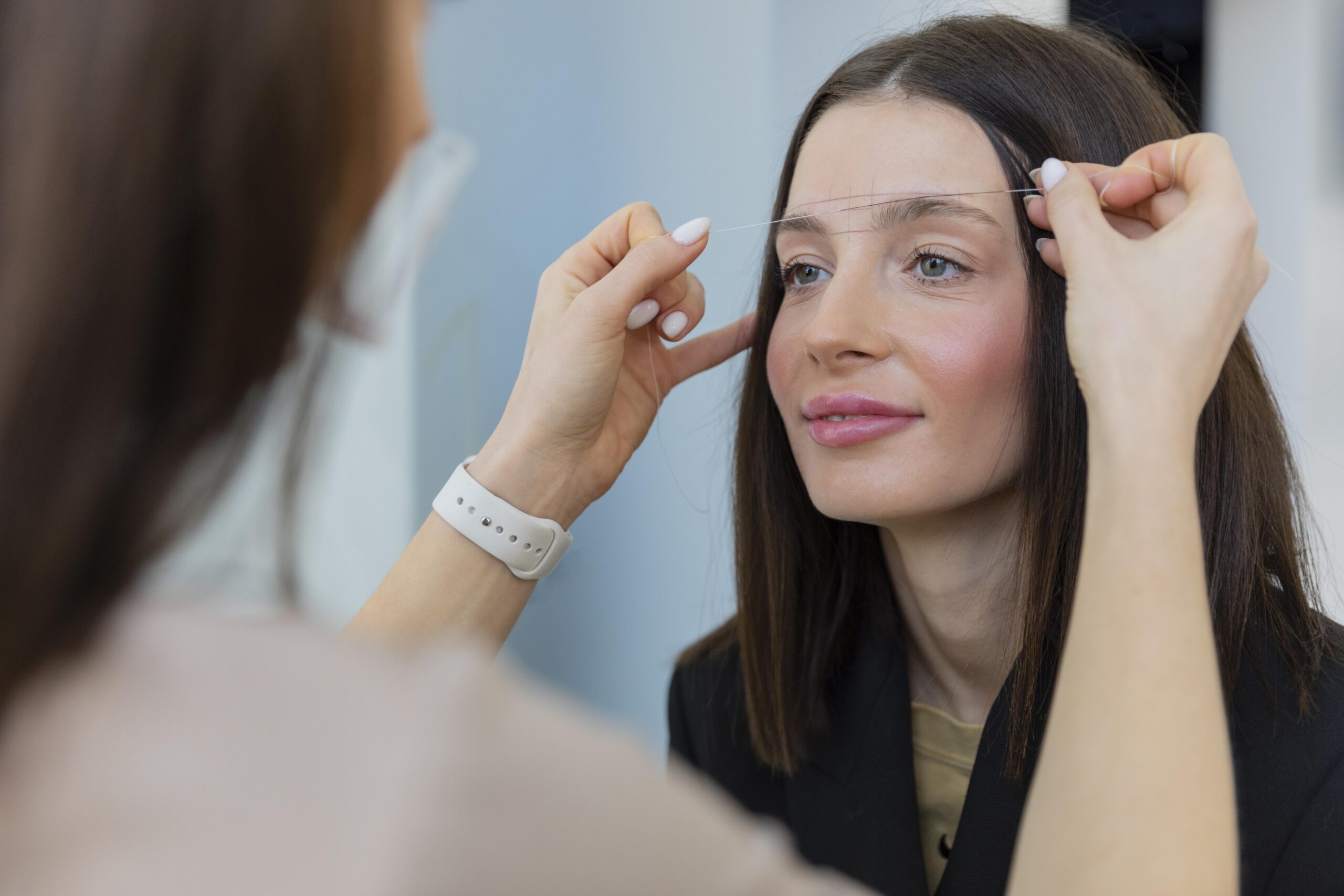
Threading removes hair one strand (or a small cluster of strands) at a time, using a twisted cotton thread that catches hair right at the follicle level. This hair-by-hair approach gives technicians an extraordinary level of control over exactly which hairs come out and which stay, making it far more precise than methods that remove larger sections of hair at once.
This is a big part of why threading is so popular for eyebrow threading in Brooklyn among clients who want clean, well-defined lines and sharp arches.
Threading vs. Other Methods: A Precision Comparison
Threading vs. Tweezing
Tweezing removes one hair at a time too, but it’s slower and relies entirely on the steadiness of the hand doing the plucking. Threading can catch multiple stray hairs in one motion along a precise line, giving a more even, symmetrical result in less time.
Threading vs. Waxing
Waxing removes hair in a broad strip, which makes fine, detailed shaping much harder. There’s little room for error once the wax strip is pulled, since it takes out everything in its path. Threading, by contrast, lets a technician follow the exact natural arch and adjust in real time.
Threading vs. Epilators or Razors
These methods aren’t designed for detail work at all. They’re built for larger areas and offer none of the fine control needed for eyebrow shaping.
Why Precision Matters for Your Brows
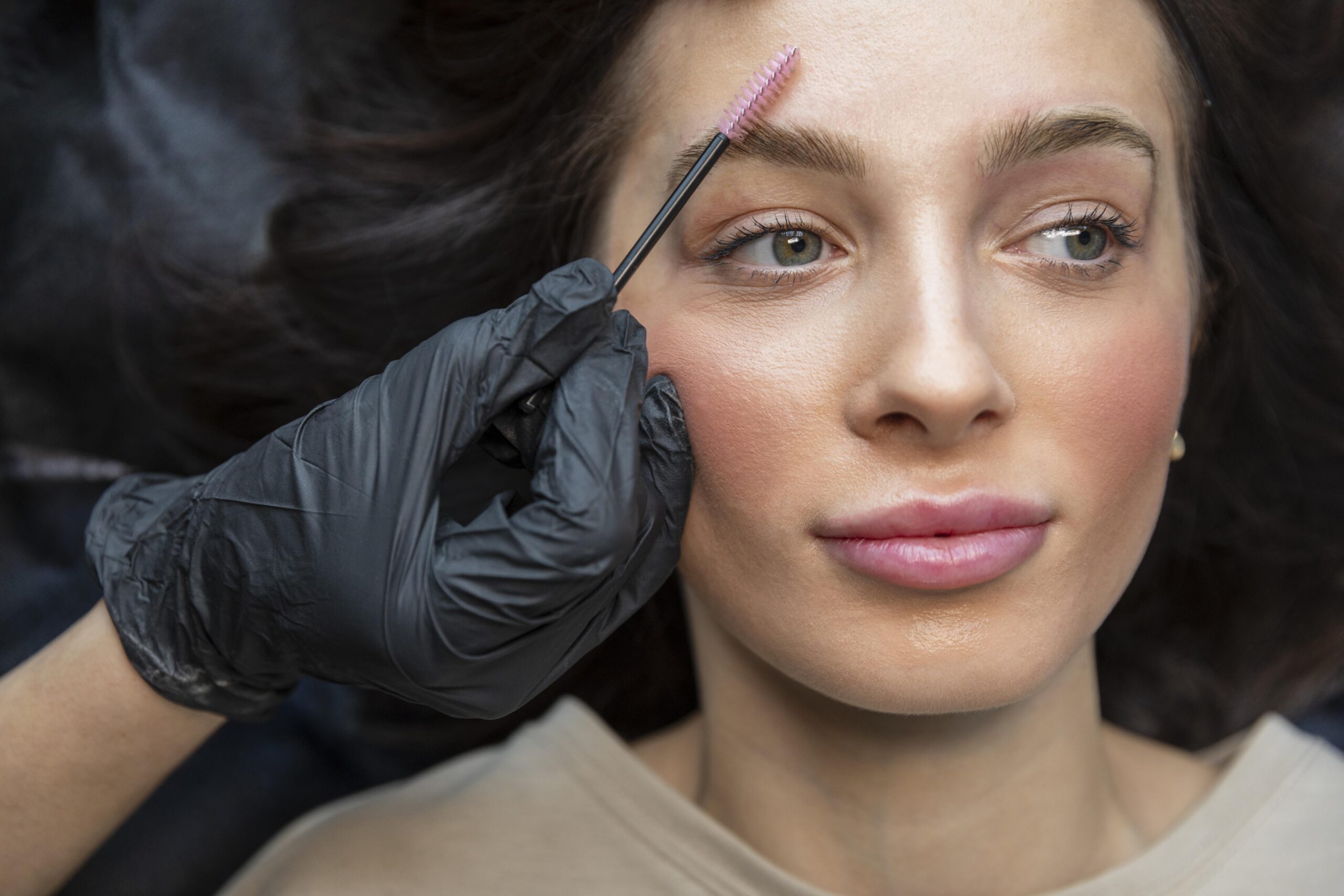
Eyebrows frame your entire face, and small asymmetries or uneven lines are noticeable even to a casual observer. Precise removal allows for:
- Sharp, clean lines along the top and bottom of the brow
- Symmetrical shaping between both brows
- Custom arches tailored to your natural bone structure
- Fine detail work around the inner and outer corners, where mistakes are most visible
- Correction of small errors from previous shaping, one hair at a time
This level of control is exactly what makes Royal Threading Center a go-to choice for clients who’ve had uneven results elsewhere.
Does Precision Depend on the Technician?
Yes, significantly. Threading technique is a skill developed over years of practice, and precision comes from experience, steady hands, and a trained eye for facial symmetry. This is one reason why choosing an experienced, licensed technician matters so much: the tool (the thread) is simple, but the skill behind it is what actually delivers precise results.
Can Threading Fix Uneven Brows from Other Methods?
Often, yes. Because threading works hair by hair, a skilled technician can carefully clean up asymmetry, over-plucked patches, or awkward shapes left behind by tweezing or waxing mishaps. It’s frequently used specifically for this kind of correction work.
What This Means for Your Appointment
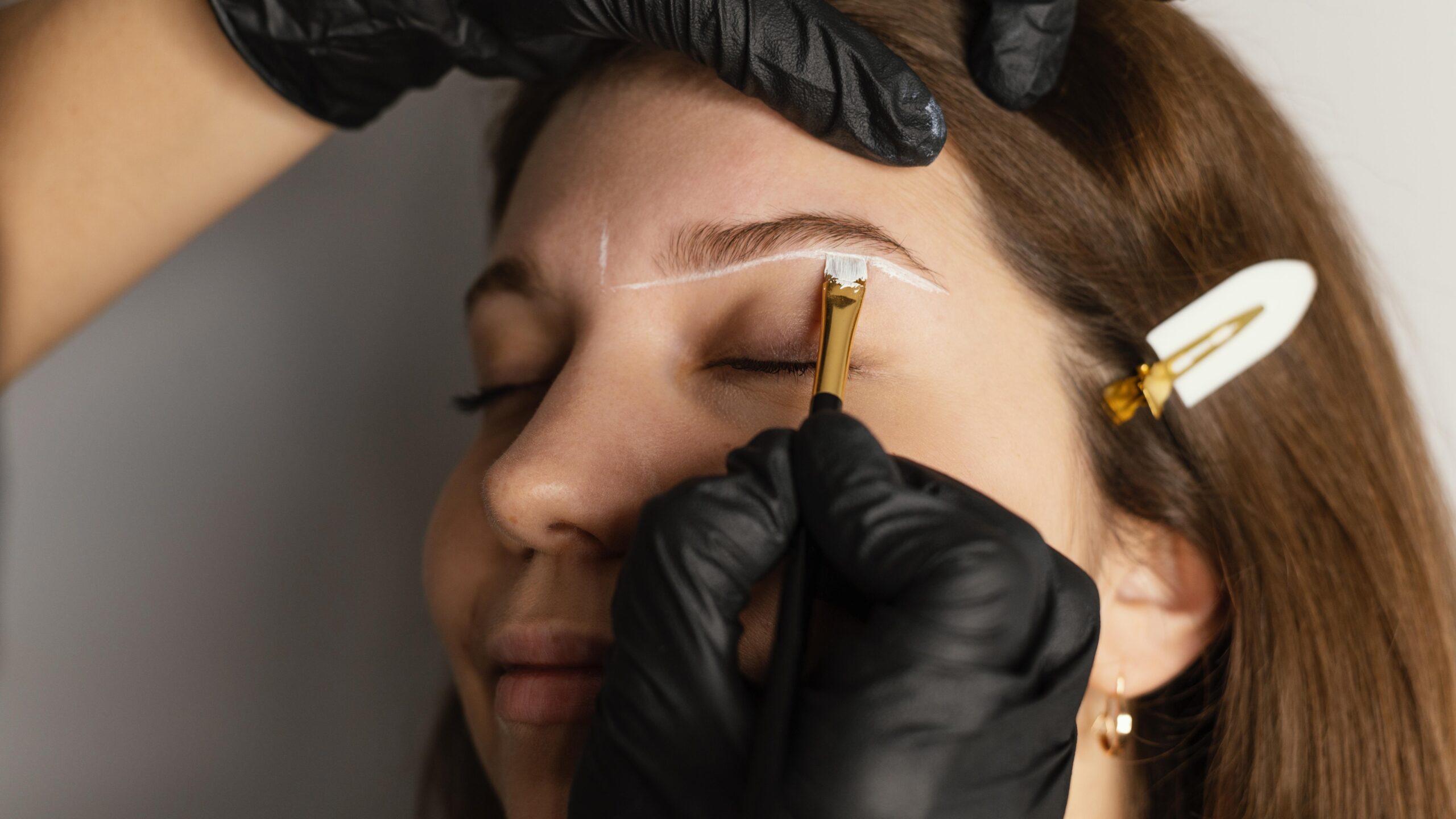
Because threading is so precise, your technician can work with you to define exactly the shape you want, whether that’s a subtle cleanup or a more dramatic reshape. It also means results tend to look more polished and last longer without looking overdone, since hair grows back finer over time with consistent threading.
The Bottom Line
So, how precise is eyebrow threading? It’s among the most accurate hair removal methods for eyebrows, thanks to its hair-by-hair technique that allows for sharp lines, custom shaping, and careful correction work that other methods simply can’t match. The precision ultimately comes down to the skill of the technician performing it.
Ready to experience precise, professional shaping for yourself? Book your next visit for professional eyebrow threading in Brooklyn at Royal Threading Center.