

If your skin leans oily or combination, you might assume a hydrating treatment isn’t for you. It’s one of the most common questions we hear about the Hydro Glow Facial, and the short answer is that oily and combination skin can benefit just as much as dry skin does — the treatment is adjusted to match.

Why Oily Skin Still Needs Hydration
A common misconception is that oily skin doesn’t need added moisture, when often the opposite is true. Skin that’s dehydrated at a deeper level can overcompensate by producing more oil on the surface, so a treatment that restores hydration can actually help balance things out rather than adding to the shine.
How the Treatment Adjusts for Oily Skin
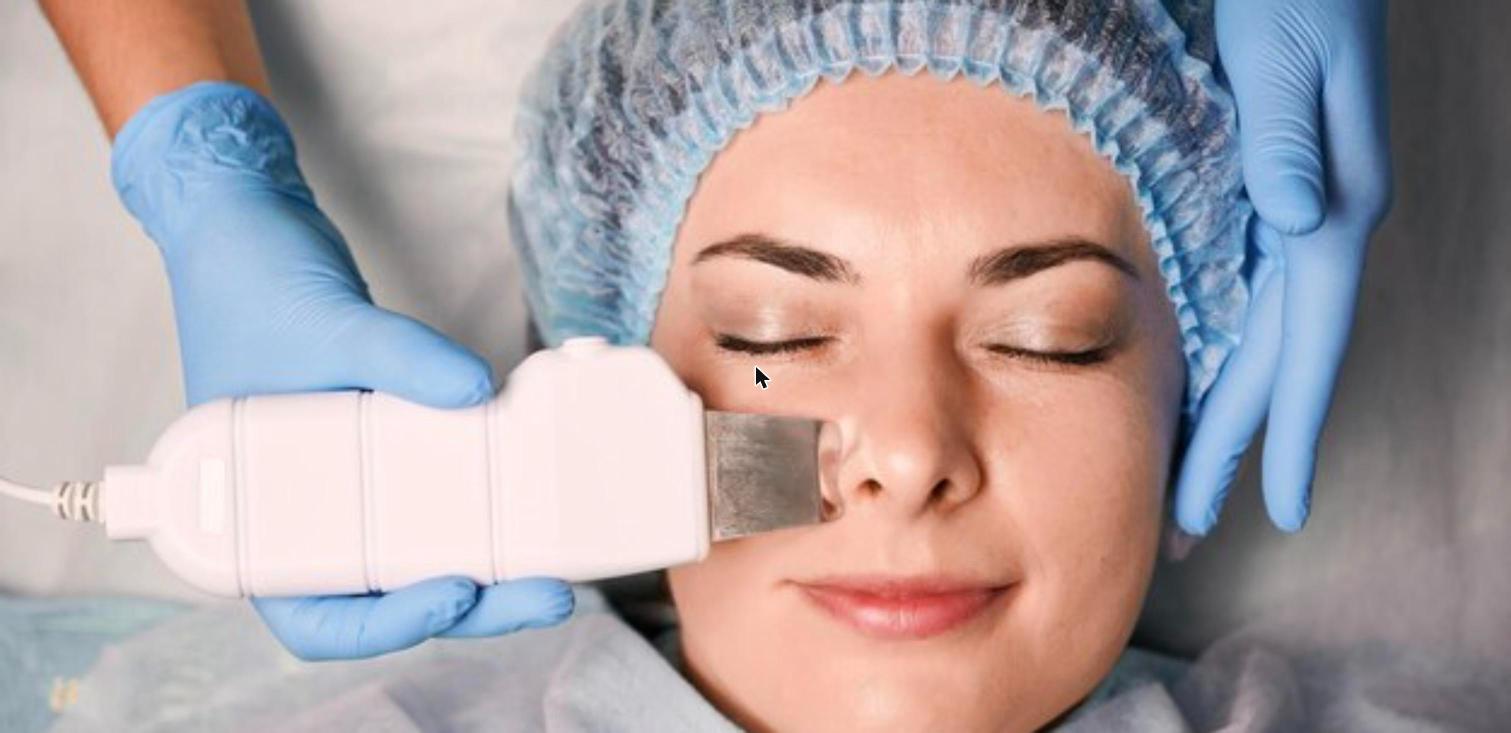
For oilier skin types, your esthetician typically focuses more on thorough cleansing and pore-clearing extractions before moving into a lighter, oil-free hydrating serum. The goal is to address congestion and buildup first, then layer in hydration without leaving skin feeling heavy or greasy afterward.
What Combination Skin Needs Differently
Combination skin — oily through the T-zone but drier on the cheeks — gets a more zone-specific approach. Your esthetician can concentrate extractions and lighter products where you tend to get congested, while adding more hydration in the drier areas, rather than treating your whole face identically.
Comparing It to a Dry-Skin Approach
The treatment itself stays largely the same across skin types, but the ratios shift. If you want to see how the other end of the spectrum is handled, our dry skin facial guide explains how we lean more heavily into deep hydration for clients who need it, which is a useful contrast for understanding why your own treatment might look a little different.

Will It Make Breakouts Worse?
This is probably the most common worry we hear from oily and acne-prone clients. When the treatment is properly adjusted — lighter products, careful extraction technique, and skipping anything overly rich — it generally supports clearer skin rather than contributing to breakouts. Still, every case is individual, so flagging active breakouts during your consultation helps your esthetician plan accordingly.
What to Mention Before Your Treatment
If you have oily or combination skin, it’s worth telling your esthetician about your typical shine patterns, where you tend to break out, any current acne treatments you’re using, and whether certain products have triggered breakouts for you in the past. This context shapes which products and techniques get used during your session.
How Often Oily Skin Should Come In
Oily skin can sometimes tolerate slightly more frequent sessions than drier skin types, since there’s often more buildup and congestion to manage on an ongoing basis. That said, there’s no universal rule — your esthetician can help you figure out a cadence based on how your skin responds over your first few visits.

Pairing It With the Right At-Home Routine
Getting the most out of the treatment also depends on what you do between visits. Oily and combination skin tends to do well with lightweight, non-comedogenic moisturizers and consistent SPF, which helps maintain the balance your treatment works toward rather than undoing it. Some clients also like adding a facial massage add-on, which can help with circulation without adding extra product to oil-prone areas.
Signs the Treatment Is Working for Your Skin Type
For oily and combination clients, success often looks less like a dramatic before-and-after and more like steadier skin over time: fewer new breakouts, less midday shine, and a more even texture across the T-zone and cheeks. These changes tend to build gradually rather than appearing after a single session.
Still Not Sure If It’s the Right Fit?
If you’re weighing your options, our guide to choosing the right facial covers how the Hydro Glow Facial compares to our other treatments, which can help you decide before booking — especially if you’ve had mixed results with hydrating treatments in the past.
What About Combination Skin That Changes With the Seasons
Plenty of Brooklyn clients notice their combination skin shifts depending on the time of year — oilier through humid summer months, then drier once winter heating kicks in. Mentioning seasonal patterns during your consultation helps your esthetician fine-tune the balance of extraction and hydration each visit, rather than applying the exact same approach year-round.
A Treatment That Evolves With Your Skin
Oily and combination skin isn’t static, and neither is the right approach to treating it. As your routine, environment, or hormones shift, the balance your esthetician uses during each Hydro Glow Facial can shift too, which is part of why ongoing visits tend to produce better results than a one-time treatment.
Book a Hydro Glow Facial Suited to Your Skin
Oily and combination skin are common in Brooklyn, especially with the city’s humidity swings, and they’re skin types we work with regularly. Visit us at 3155 Fulton St, Brooklyn, to talk through your skin with an esthetician and book a treatment adjusted to fit it.