

If your skin turns red, blotchy, or irritated after almost any hair removal method, you’ve probably wondered which option is actually going to be gentlest. When comparing threading vs waxing for sensitive skin, there’s a clear winner for most people — and the reason comes down to exactly what each method does to your skin.
At Royal Threading Center in Brooklyn, a huge number of our clients come to us specifically because waxing left their skin irritated, and they’re looking for a better alternative for their eyebrows and beyond.
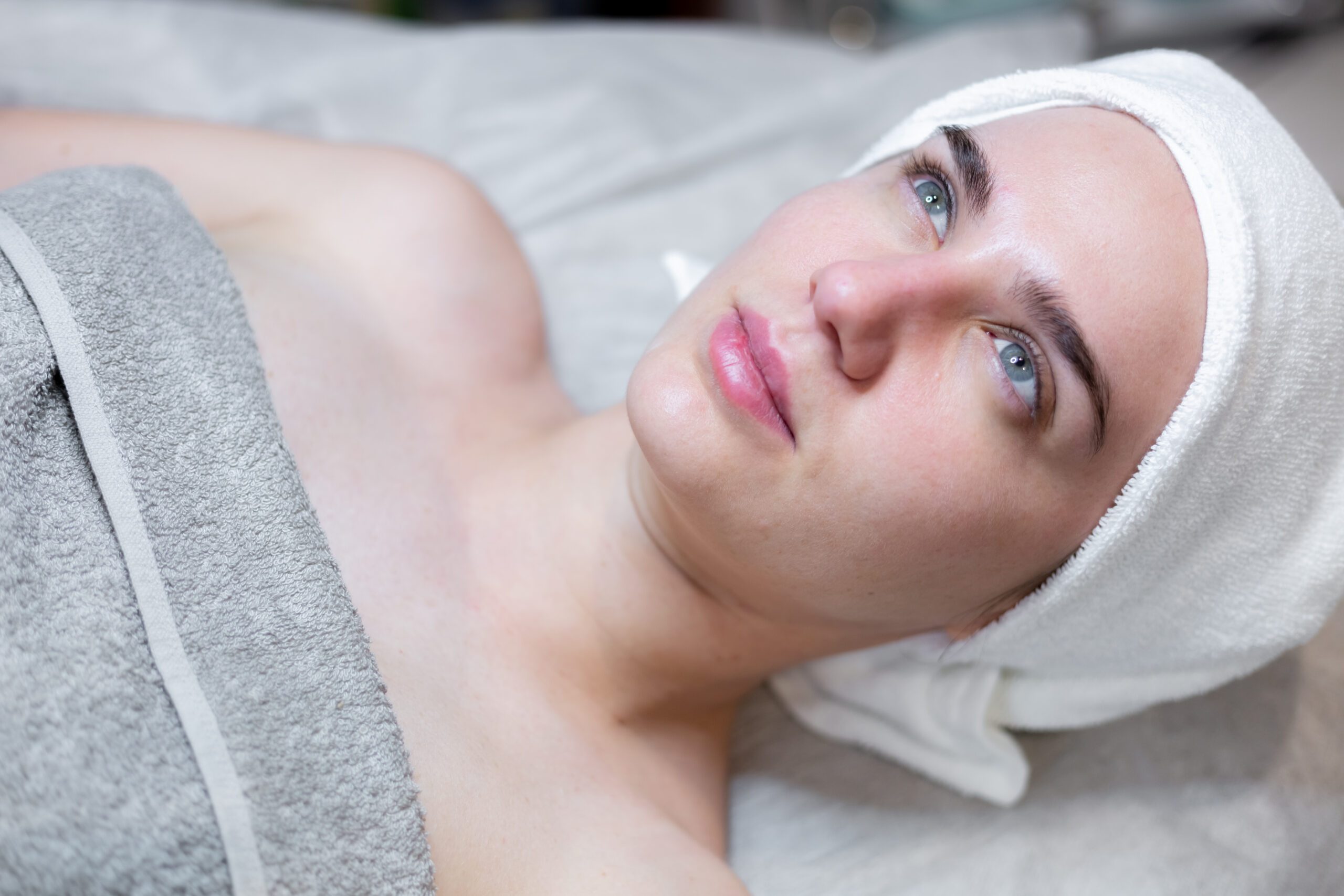
Threading vs Waxing for Sensitive Skin: The Key Difference
The biggest factor in how your skin reacts to hair removal is what actually touches it. Waxing applies a warm (sometimes hot) layer of wax directly to the skin, then rips it off along with the hair, pulling on the top layer of skin in the process. Threading uses only a thin, twisted cotton thread that lifts hair away from the root without any product or adhesive ever touching your skin.
For sensitive skin, that difference matters enormously. No heat, no chemicals, and no adhesive means far less chance of redness, bumps, or reaction.
Why Threading Tends to Win for Sensitive Skin
- No chemical contact — wax formulas, resins, and pre/post-wax products can all trigger reactions in sensitive skin; threading uses none of these
- No heat exposure — hot wax can be a problem for skin that’s prone to flushing, rosacea, or heat sensitivity
- No adhesive pull on the skin’s surface — this is often the actual cause of the redness and irritation people blame on “sensitive skin” after waxing
- Precise, targeted removal — thread only contacts the specific hairs being removed, not the surrounding skin
This is exactly why so many clients switch to eyebrow threading in Brooklyn after struggling with waxing reactions for years.
Common Waxing Reactions Threading Tends to Avoid
Redness and Blotchiness
Wax removal pulls on the skin’s surface, which can leave visible redness lasting anywhere from a few hours to a full day for sensitive skin types.
Small Bumps or Ingrown Hairs
Wax can sometimes break hair at the follicle rather than removing it fully, which contributes to ingrown hairs later. Threading’s precision helps reduce this risk.
Allergic-Type Reactions
Some people react to specific wax formulas, resins, or the pre-wax and post-wax products used alongside them. Since threading uses none of these, this risk simply isn’t a factor.
Skin Lifting
In rare but real cases, wax can lift a thin layer of skin along with the hair, especially on thinner or more fragile skin. This essentially never happens with threading.
Is Threading Completely Reaction-Free?
No hair removal method is 100% without any response from your skin — threading can still cause mild, brief redness right at the treatment site, especially in fair or highly reactive skin. The key difference is severity and duration: this typically fades within 15 to 30 minutes, while waxing-related irritation on sensitive skin can last considerably longer.
If you have a diagnosed skin condition or are currently dealing with any active irritation, it’s always a good idea to mention it to your technician before your appointment so they can adjust their approach accordingly.
Who Benefits Most from Choosing Threading
While threading is a great option for nearly everyone, it tends to make the biggest difference for:
- Clients who flush or redden easily
- Those with thin or fragile skin around the brow area
- Anyone who has had a bad reaction to wax in the past
- Clients who prefer not to have any products or chemicals applied to their face
Our technicians at Royal Threading Center regularly work with clients who’ve had exactly these concerns and have found threading to be a far more comfortable long-term solution.
What to Expect If You’re Switching from Waxing
If you’ve only ever had your brows waxed, threading will feel a little different at first. Instead of one quick rip, you’ll feel a series of quick, small tugs as the thread removes hair in tiny sections. Most first-time threading clients are surprised by how much more comfortable and controlled it feels compared to waxing, especially around such a sensitive area as the brow bone.
Aftercare Tips for Sensitive Skin
Regardless of which method you choose, a few habits help minimize any post-treatment reaction:
- Skip makeup immediately after your appointment
- Avoid touching the area for at least an hour
- Use a fragrance-free moisturizer rather than anything scented
- Stay out of direct sun right after treatment
The Bottom Line
When it comes to threading vs waxing for sensitive skin, threading is generally the gentler, lower-risk choice thanks to its lack of chemicals, heat, and adhesive contact with your skin. If waxing has left you with redness, bumps, or irritation in the past, it’s well worth giving threading a try.
Ready to experience gentle, precise brow shaping without the irritation? Book your next visit for professional eyebrow threading in Brooklyn at Royal Threading Center and let your sensitive skin thank you.