

A well-applied set of lash extensions should shed gradually and naturally as your own lashes complete their growth cycle, typically lasting a full fill cycle before you need a touch-up. But sometimes clients notice extensions coming out in clumps, falling out unusually fast, or leaving bare patches within days of an appointment. What actually causes lash extensions to fall out early, and how much of it is preventable? Here’s what’s usually behind premature lash loss.
First, Some Natural Shedding Is Normal
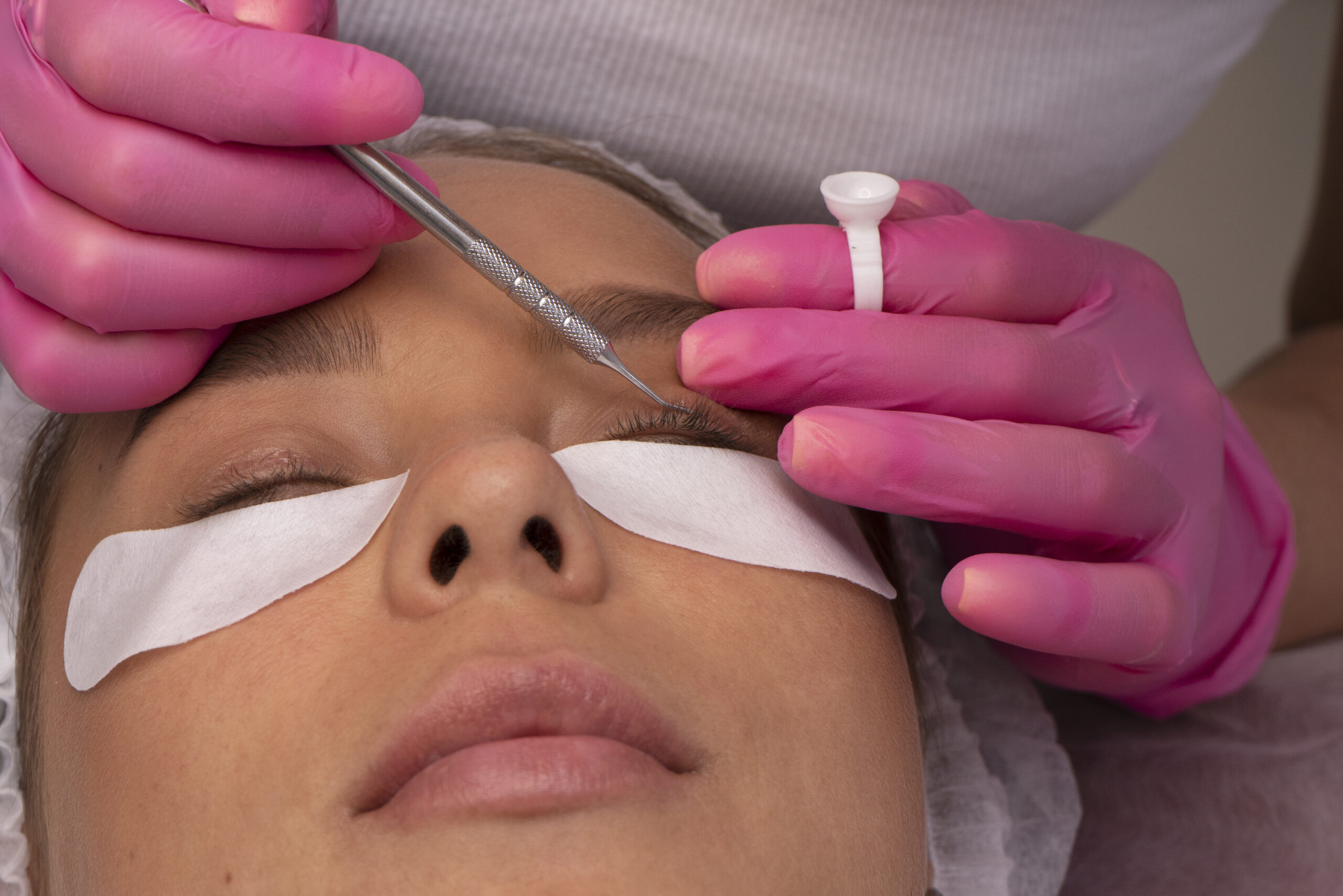
Your natural lashes are always cycling through growth, rest, and shedding phases, and an extension falls out along with the natural lash it’s attached to. Losing one to several lashes a day is completely normal and not a sign anything went wrong. The concern is when loss is noticeably faster than that, happens in visible clumps, or leaves patchy bald spots rather than a gradual, even thinning.
Touching, Rubbing, or Picking at Your Lashes
This is the single most common cause of premature lash loss. Rubbing your eyes when tired, picking at a lash that feels slightly off, or repeatedly touching your lash line to “fix” it puts mechanical stress on the bond and can pull out the natural lash along with the extension. It’s an easy habit to fall into without noticing, especially if your eyes feel itchy or a little irritated after a fresh application.
Oil-Based Products Near the Eyes
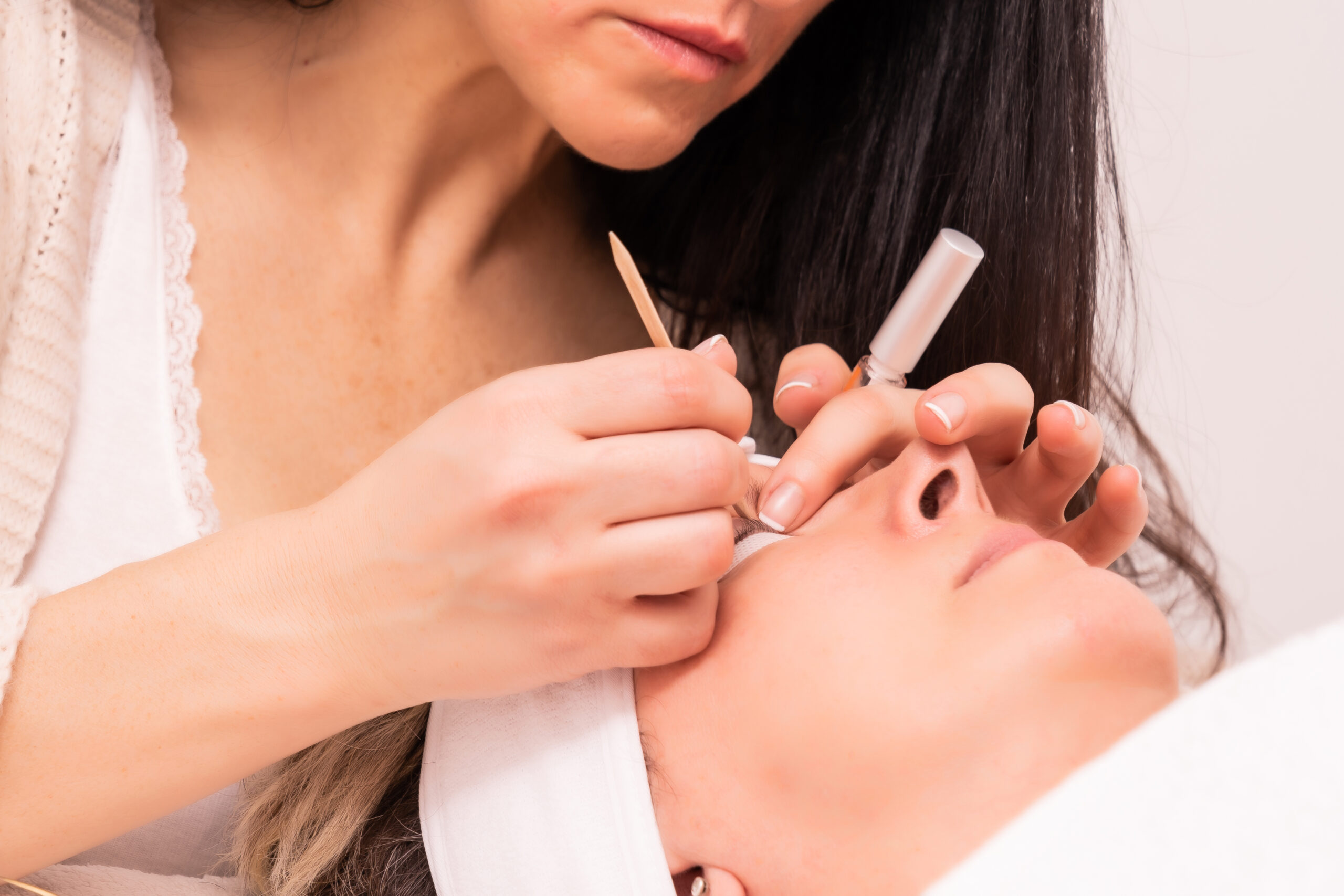
Lash adhesive bonds extremely well to clean, oil-free lashes, but oil breaks that bond down quickly. Oil-based makeup removers, certain moisturizers and sunscreens applied too close to the lash line, and even naturally oily skin can all shorten how long extensions hold. If you notice your set loosening faster than expected, it’s worth looking at what’s touching your eye area, not just whether you’re using the extensions themselves correctly.
Incorrect Application or Improper Isolation
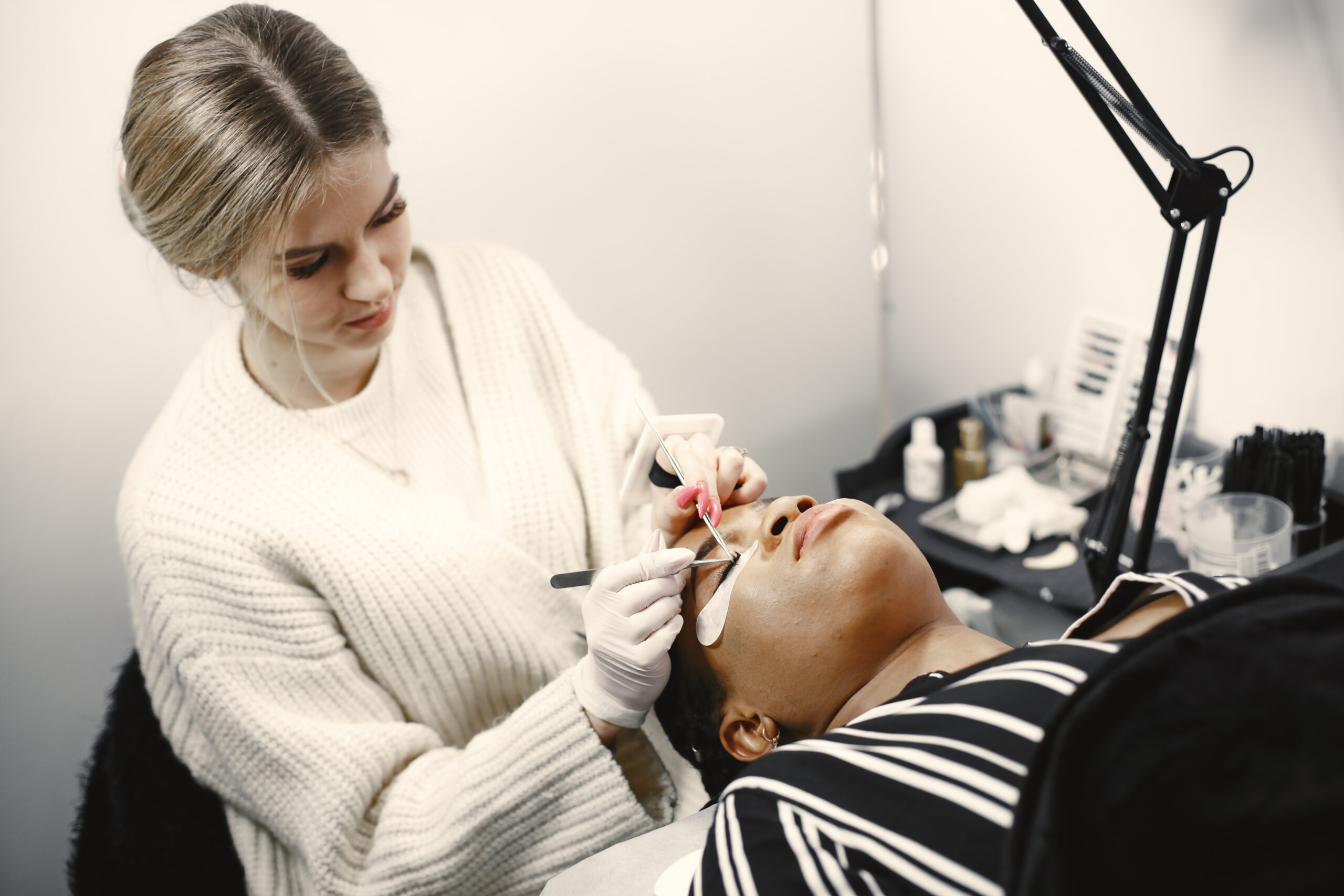
If a technician attaches an extension to more than one natural lash at once (poor isolation), or uses too much adhesive, the extra weight and stress can cause premature shedding or even damage to the natural lashes underneath. This is one of the main reasons choosing an experienced technician matters: proper isolation and the right adhesive amount are technical skills that directly affect how long a set lasts, not just how it looks on day one.
Sleeping Position and Pillow Friction
Sleeping face-down or with your face pressed into a pillow creates repeated friction against your lash line every night, which can bend, crush, or pull out extensions over time. Side or back sleepers tend to see their sets last noticeably longer simply because there’s less nightly contact with fabric. A silk pillowcase can also reduce friction compared to cotton, though it’s a smaller factor than sleep position itself.
Humidity, Heat, and Environmental Exposure
Lash adhesive cures in response to humidity and is somewhat sensitive to extreme heat, steam, and prolonged water exposure. Frequent saunas, very hot showers, or living somewhere with major humidity swings can all shorten retention. This isn’t a reason to avoid extensions if that’s your lifestyle, it’s just useful context for why your set might not last quite as long as a friend’s in a different climate.
Underlying Hormonal or Health Changes
Pregnancy, certain medications, thyroid changes, and other hormonal shifts can temporarily speed up the natural lash growth cycle, which means extensions shed faster simply because the natural lashes underneath are cycling out sooner. This isn’t related to the extensions themselves and usually isn’t something a technician can fully compensate for, though a shorter fill interval can help during those stretches.
An Allergic Reaction or Sensitivity
True allergic reactions to lash adhesive are relatively uncommon but do happen, and one sign is excessive itching, swelling, or redness accompanied by faster-than-normal lash loss. If your set is falling out early and your eyes feel irritated rather than just itchy from habit, it’s worth mentioning to your technician so the adhesive can be reviewed rather than assuming the application itself was the problem.
When to Talk to Your Technician
A little extra shedding after a particularly oily week or a rough night’s sleep is normal and not worth worrying about. But if an entire set is falling out within days, if you’re noticing bald patches rather than even thinning, or if your natural lashes seem to be coming out along with the extensions, that’s worth a conversation. We can look at your fill history, your aftercare habits, and whether a different style or lighter extension weight might hold up better for your natural lashes and routine.
The Bottom Line
Most early lash loss comes down to a handful of fixable habits: touching or rubbing the eye area, oil-based products near the lash line, sleeping face-down, or environmental factors like heat and humidity. A smaller share comes from application technique or underlying health changes, both of which a good technician can help you work around. If your set isn’t holding up the way it should, it’s always worth a conversation rather than assuming extensions simply “don’t work” for you.
Noticing your lash extensions falling out faster than they should? Come see us at Royal Threading Center in Brooklyn and we’ll help diagnose what’s going on and get your lash extension set back on track.